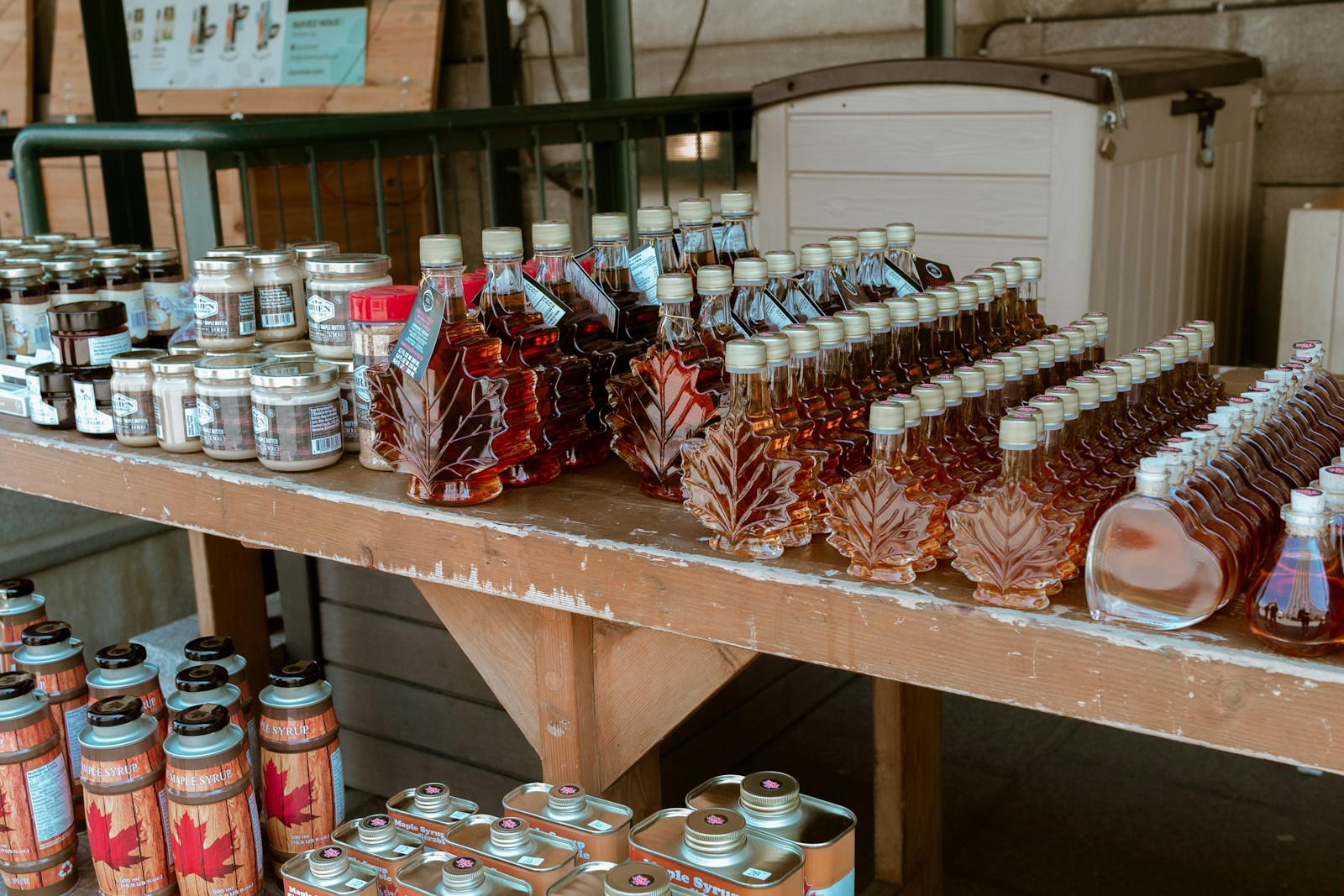
Ah, Canada — land of loonies, toques, and unapologetic maple syrup consumption.
We Canadians can turn anything into a learning experience — even a pancake breakfast fundraiser. So, grab your spatula and your calculator, because today we’re flipping through a lesson in cash flow and cost of goods, served with a drizzle of humour (and maybe a side of bacon).
Let’s talk about what running a pancake stand can teach you about keeping your small business sweet — not sticky.
🍁 Chapter 1: The Dream — “It’s Just Pancakes! How Hard Can It Be?”
It always starts simple.
You wake up one Saturday and think, “You know what this town needs? A pancake stand!”
You picture happy customers, golden stacks, and the sweet sound of the cash register cha-ching-ing like a fiddle at a ceilidh.
But before you know it, you’ve bought 40 kilograms of flour, 12 litres of syrup, and a fancy griddle that cost more than your first car. You’ve spent $500 before you’ve flipped your first flapjack.
Welcome to the world of cash flow, my friend — where dreams meet debits.
💸 Chapter 2: Cash Flow — The Batter of Your Business
Cash flow is the lifeblood of any business — even a pancake stand. It’s the flow of money in and out of your business. When it’s smooth, everything rises beautifully. When it’s not… well, you end up with lumpy batter.
Incoming cash = customer payments, sales, maybe tips.
Outgoing cash = supplies, rent, utilities, equipment, maybe that “urgent” trip to Costco.
Here’s the key: cash flow isn’t profit.
You could make $1,000 in pancake sales but still be broke if all your cash went out for ingredients and rent before you got paid. That’s why it’s called “flow” — it moves, sometimes too quickly, and not always in your direction.
💡 Bookkeeper’s tip: Keep a cash flow forecast — a simple spreadsheet showing when money’s coming in and when it’s going out. It’s like checking the weather forecast before a snowstorm: it won’t stop the cold, but at least you’ll know when to put on your parka.
🧾 Chapter 3: Cost of Goods Sold — The Sticky Truth Behind Your Stack
Let’s talk about syrup — literally and figuratively.
Every pancake you sell has a cost attached to it: flour, eggs, milk, butter, syrup, napkins, the propane for your griddle. Those are your Cost of Goods Sold (COGS).
If you sell a pancake for $5 and it costs you $3 in ingredients and supplies, your gross profit is $2. But — and here’s where most small business owners’ trip on the spatula — you still have other expenses like insurance, advertising, and that shiny “World’s Best Pancake Boss” apron.
That’s why tracking your COGS matters. It’s the difference between knowing you’re making money and simply hoping you are.
💡 Bookkeeper’s tip: Review your COGS monthly. Prices for ingredients (and everything else) change faster than a snow squall in March.
🧮 Chapter 4: Inventory — When You Have Too Much Batter on Your Hands
Ah, inventory — the unsung villain of the pancake economy.
You stock up “just in case,” because running out of syrup mid-rush would be a tragedy. But now you’ve tied up cash in 200 pounds of flour and a crate of bananas turning brown in the back room.
That’s money sitting idle — money you could’ve used to pay bills or invest in something that earns.
Too much inventory = frozen cash.<br />Too little inventory = missed sales.
Finding the sweet spot is the art of good business.
💡 Bookkeeper’s tip: Use the FIFO method (First In, First Out). It works for both accounting and fridge management — old milk first, please.
🧊 Chapter 5: Managing Cash Flow in the Off-Season
Every Canadian knows that pancake sales (and most small businesses) have seasons. Maybe you’re slammed at summer markets but slower in February when everyone’s on a New Year’s diet.
That’s where cash flow planning saves the day.
When your sales are hot, set aside a “slow season fund.” It’s your financial maple syrup reserve — the stuff that keeps things sweet when times get dry.
💡 Bookkeeper’s tip: A good rule of thumb is to keep at least three months of business expenses saved. That cushion makes you resilient — and way less cranky when January hits.
🧍♀️ Chapter 6: The Customer Isn’t Always Right (About Payment Terms)
You’ve got regulars who say, “Can I pay you next week?” — and because you’re nice, you say yes.
But guess what? You’re not a bank.
Delayed payments hurt your cash flow more than a burned batch hurts your breakfast reputation.
Establish clear payment terms. Be polite, firm, and consistent.
Example:
“Our policy is payment upon delivery — just like at the pancake stand. You don’t get the syrup until the loonies hit the jar!”
💡 Bookkeeper’s tip: Automate your invoices with reminders. It’s easier to let software chase late payers than to chase them yourself.
🧠 Chapter 7: Pancake Lessons for Every Business
The pancake stand might be fictional (though it sounds delicious), but the lessons apply to every small business:
- Track your costs. Every drop of syrup counts.
- Plan your cash flow. Anticipate the ups and downs.
- Don’t overstock. Flour isn’t gold.
- Collect payments promptly. Cash in the till beats promises in the wind.
- Review and adjust regularly. Your “recipe” for profitability changes as your business grows.
Think of bookkeeping as your pancake recipe — it’s the foundation that keeps everything consistent, predictable, and deliciously profitable.
☕ Chapter 8: The Sweet Side of Knowing Your Numbers
Here’s the part most small business owners miss: good cash flow management doesn’t just keep you out of trouble — it gives you freedom.
When you know exactly how much syrup (ahem, money) you have coming and going, you can:
- Take on new opportunities without fear.
- Pay yourself confidently (imagine that!).
- Sleep at night without replaying your expense list in your head.
You stop guessing and start steering. And that’s when business stops feeling like survival and starts feeling like growth.
🥓 Chapter 9: Final Word
Running a small business in Canada takes grit — and maybe a little grease on the griddle. Whether you’re serving pancakes, plumbing parts, or professional services, the lesson is the same: cash flow is everything.
You don’t have to be a financial whiz — just a little bit disciplined, a little bit curious, and willing to peek under the hood (or lid) occasionally.
And if you ever feel overwhelmed by the numbers? That’s where I come in.
I’ll help you make sense of your “maple syrup economics,” find the leaks in your cash flow, and make sure you’re stacking profits instead of pancakes on your stress pile.
Because when your books are balanced and your cash flows, you can focus on what you do best — building your dream, one perfectly golden stack at a time. 🍁
Cash flow = your business’s heartbeat.<br />COGS = your cost to make it beat.<br />Bookkeeping = the stethoscope that keeps you healthy.
Keep your ingredients fresh, your tools ready, and your syrup flowing — and remember even in the business world, breakfast is the most profitable meal of the day.