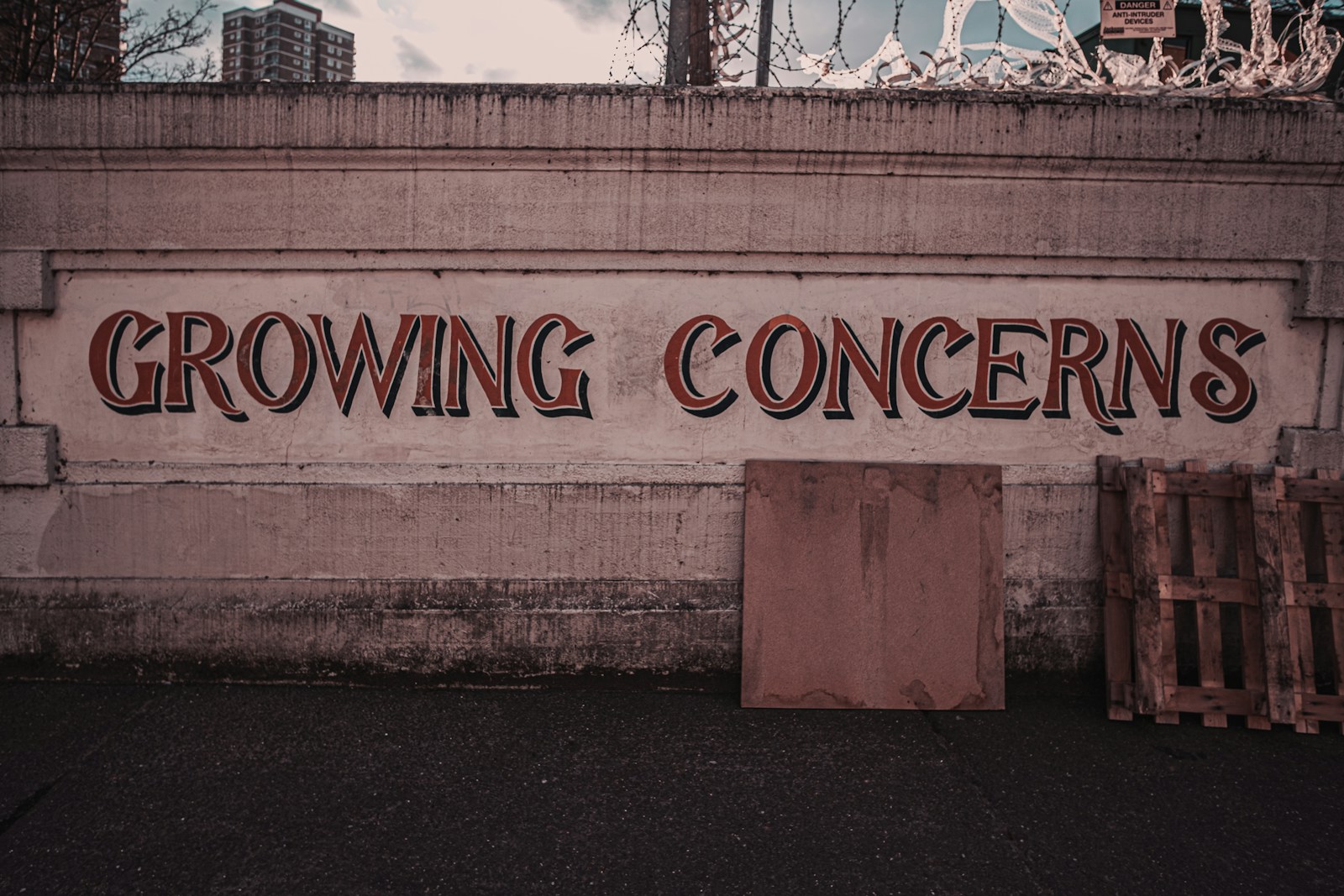
If you’ve been feeling a little cautious about the future of your business lately, you’re in very good company. Across Canada, business confidence surveys are pointing to something we bookkeepers have been quietly noticing in the numbers for a while: owners are hesitant. Spending is careful. Decisions are slower. Growth plans are being penciled in lightly—eraser close at hand.
This year many businesses are operating in a strange in-between space. The economy hasn’t fallen apart, but it hasn’t exactly invited anyone to relax either. Interest rates remain elevated compared to pre-pandemic norms, labour markets are tight but uneven, and global uncertainty feels permanent. The result is a mindset shift—from growth-at-all-costs to cautious endurance.
As a professional bookkeeper, I see business confidence not as an abstract sentiment, but as something that shows up clearly in financial behaviour. When confidence drops, investment slows, hiring pauses, and planning horizons shrink. Understanding this pattern—and knowing how to respond thoughtfully—can make the difference between simply surviving and quietly positioning for future growth.
What Low Business Confidence Really Looks Like
Low confidence doesn’t usually mean panic. It’s subtler than that.
It looks like delaying a software upgrade because “the old system still works.” It looks like putting off hiring until the workload becomes unmanageable. It looks like renewing month-to-month contracts instead of committing long term. These decisions are rational on their own, but together they signal a broader hesitation to commit resources amid uncertainty.
From the books, this shows up as lower capital spending, flatter expense growth, and sometimes higher short-term profitability—simply because businesses aren’t reinvesting as much as they used to. On paper, that can look healthy. Strategically, it can be limiting.
Slower Investment Cycles
When confidence is low, investment cycles stretch.
Projects that once moved quickly now sit in “we’ll revisit this later” folders. Equipment replacements are deferred. Technology upgrades are postponed. Businesses squeeze more life out of systems and tools that are technically functional, but no longer optimal.
This hesitation is understandable. Investments often require upfront cash or financing, and in uncertain times, preserving liquidity feels safer. However, prolonged underinvestment carries its own risks. Outdated systems can reduce efficiency, limit scalability, and increase hidden costs over time.
From a bookkeeping perspective, the challenge is helping owners see the full picture. What does delaying an investment save today—and what does it quietly cost tomorrow? Without clear financial data, it’s easy to overestimate short-term risk and underestimate long-term opportunity.
Conservative Hiring and Expansion
Few decisions feel as permanent as hiring. Once you add someone to the payroll, the commitment is real and ongoing.
In periods of low confidence, businesses often respond by freezing hiring or slowing expansion plans. Owners take on more work themselves, teams stretch a little thinner, and growth opportunities are sometimes passed over simply because capacity feels tight.
This conservatism protects cash flow in the short term, but it can also cap revenue potential. Overworked teams burn out. Customer experience may suffer. Opportunities that require scale remain just out of reach.
Bookkeeping plays an important role here. Understanding true labour costs, productivity levels, and contribution margins allows businesses to assess hiring decisions more objectively. Sometimes the numbers reveal that a strategic hire pays for itself faster than expected. Other times, caution is absolutely warranted. Clarity replaces guesswork.
Short-Term Survival Mode vs. Growth Mode
One of the most significant effects of low business confidence is the shift in mindset from growth mode to survival mode.
In survival mode, decisions are reactive. The focus narrows to covering payroll, managing cash flow, and avoiding mistakes. Long-term planning takes a back seat to immediate concerns.
There’s nothing wrong with survival mode when it’s necessary. Many businesses relied on it to get through genuinely difficult periods. The risk comes when survival mode becomes the default, even when the business is stable enough to think ahead.
I often see financially healthy businesses acting as though they’re one step from crisis, simply because uncertainty feels uncomfortable. This is where good financial reporting becomes a powerful grounding force. When owners can see that their cash flow is stable, margins are intact, and reserves exist, it becomes easier to lift their eyes beyond the next quarter.
Why Financial Clarity Builds Confidence
Confidence doesn’t come from optimism alone—it comes from understanding.
Accurate, timely financial information helps business owners distinguish between real risk and perceived risk. It answers questions like:
- How long could we operate if revenue dipped? • What investments are affordable? • Which parts of the business are driving profitability? • Where do we have flexibility, and where don’t we?
When these answers are clear, hesitation often softens. Decisions still require care, but they’re no longer paralysed by uncertainty.
Planning Without Predicting the Future
Low confidence environments don’t require perfect forecasts—they require adaptable plans.
Scenario planning is especially valuable here. Instead of betting on one outcome, businesses can model several possibilities: conservative, moderate, and optimistic. What changes under each scenario? Which decisions are reversible, and which are not?
This approach allows businesses to move forward incrementally. Small, measured investments replace all-or-nothing commitments. Growth becomes a series of informed steps rather than a single leap of faith.
From the bookkeeping side, this means keeping records current, forecasts realistic, and assumptions transparent. The goal isn’t certainty—it’s preparedness.
Turning Hesitation into Intentional Action
Business confidence may be low, but that doesn’t mean opportunity has disappeared.
In fact, periods of hesitation often reward businesses that plan quietly and execute thoughtfully. While competitors pause, well-prepared businesses can strengthen systems, refine processes, and position themselves for future demand.
This doesn’t require reckless spending. It requires intentional decision-making backed by reliable financial data. Knowing when to wait is just as important as knowing when to move.
A Bookkeeper’s View Looking Ahead
As we go forward into 2026, uncertainty will likely remain part of the landscape. Confidence may take time to rebuild, and caution will continue to shape decisions.
From my seat as a professional bookkeeper, the businesses that navigate this period best aren’t the boldest or the most conservative—they’re the most informed. They use their numbers as a compass, not a rearview mirror.
Low confidence doesn’t have to trap a business in survival mode. With clear financial insight, thoughtful planning, and measured action, hesitation can evolve into steady, sustainable progress—and that’s a powerful way to move forward, even when the future feels unclear.