If you’ve ever found yourself staring into the fridge at 7 p.m. with zero energy left—and even less enthusiasm to cook—while still mentally sifting through your to-do list for tomorrow… you’re not alone. Running a small business often means juggling too many hats, too many hours, and too few breaks.
Here’s the good news: one small shift in your personal routine can lead to better focus, clearer thinking, and more productive business planning.
Enter: batch cooking—a timesaving, brain-fueling strategy that pairs beautifully with your business planning routine. Stick with me. As your friendly professional bookkeeper, I’m here to explain why this combo might be the most underrated business move you can make this year.
What Is Batch Cooking?
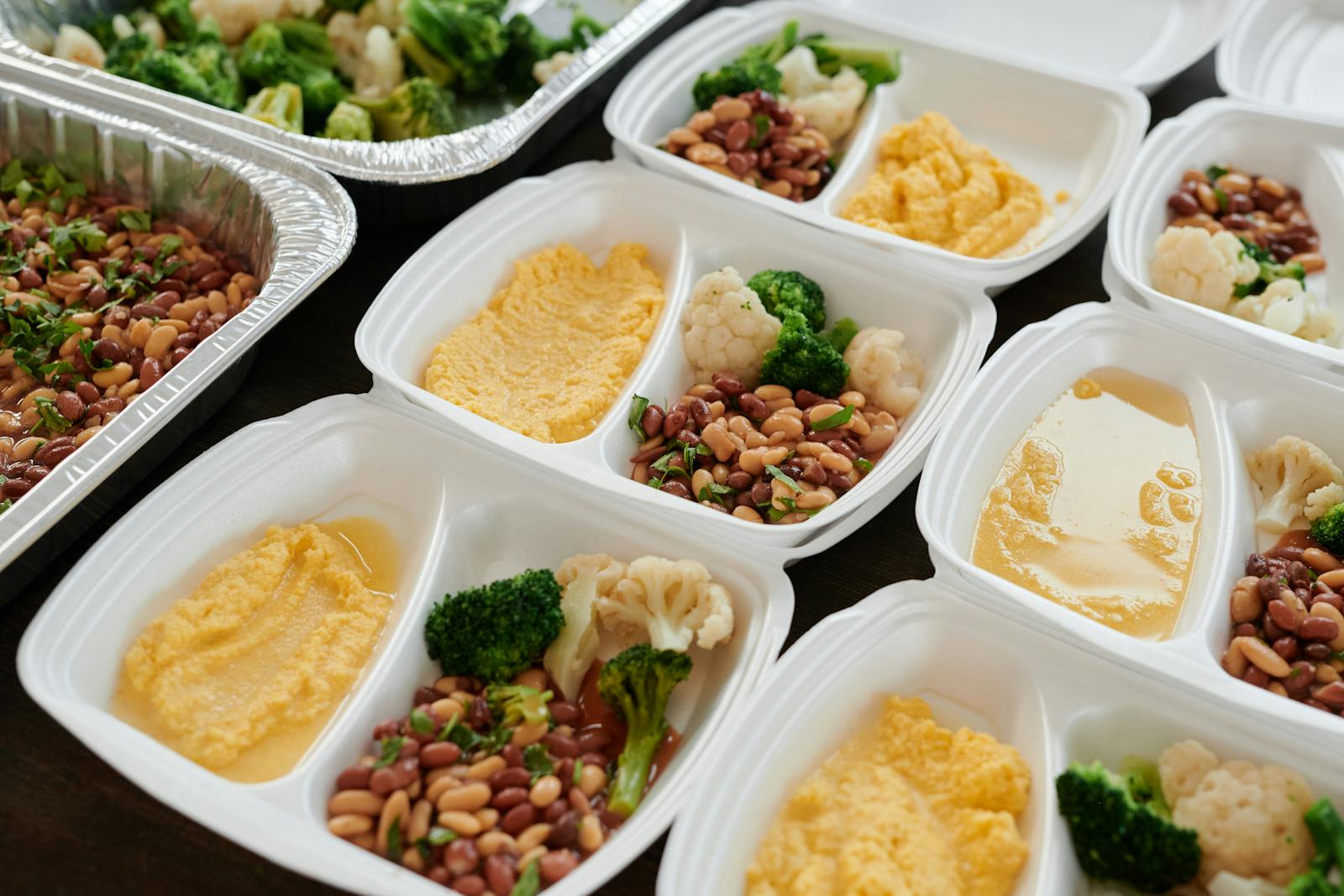
Batch cooking is simply preparing multiple meals at once—often in larger quantities—so you’re not cooking from scratch every single day. It doesn’t have to be complicated. Think: making a double portion of chili to freeze, roasting a tray of veggies for lunches all week, or prepping smoothie bags for fast breakfasts.
It’s efficient, healthy, and lets you reclaim the hours you’d otherwise spend wondering what to eat. But here’s the twist: batch cooking can also create a perfect space for business planning.
Why Pair Batch Cooking with Business Planning?
Most entrepreneurs don’t need more hours in the day—we need better ones. The mental load of making constant decisions (what to eat, when to eat, when to do X, how to fix Y) drains your focus. Batch cooking takes some of that load off, and when paired with business planning, it turns a practical household chore into a powerful CEO habit.
Here’s how they work together:
- Kitchen time becomes thinking time
Chopping vegetables or portioning meals gives your brain a chance to wander—exactly when some of your best ideas pop up. Think of it like active meditation with a business benefit. - You create routine without rigidity
Pairing weekly meal prep with weekly planning helps you start the week feeling organized, both personally and professionally. - You gain back precious hours during the week
When your meals are handled, you’re not scrambling at lunch or dinner. That’s more time for deep work, rest, or a long-overdue break.
A Sunday Combo That Works
Let’s walk through what a Sunday combo might look like. Adjust it to your schedule, of course, but this rhythm can be a game-changer:
Step 1: Morning Grocery Run or Delivery
Start with a quick inventory: what do you already have in the fridge, freezer, or pantry? Then create a simple grocery list based on what you’d like to batch cook for the week. Many business owners find grocery delivery or pickup to be another great time-saver.
Step 2: Midday Batch Cooking
While the oven’s roasting or soup is simmering, use that hands-off cooking time to do some light business planning.
Here are a few ways to spend those pockets of time:
- Review of last week’s revenue and expenses
- Check in with your monthly goals
- Map out your top three priorities for the week
- Jot down reminders for invoices, follow-ups, or CRA deadlines
This doesn’t have to be an intense three-hour strategy session. Even 20–30 minutes of focused thinking while the rice cooks or the muffins bake is enough to clarify your week.
Step 3: Store and Strategize
Once the food is packed away in containers and the dishes are (mostly) done, take a few final minutes to plan your calendar. What’s happening Monday to Friday? Where do you need focused work time vs. meetings vs. admin tasks?
Having both your meals and your calendar ready sets you up for a smoother, more intentional week.
What to Batch Cook (No Fancy Chef Skills Required)
You don’t need to be a kitchen expert or follow a complicated recipe blog. Here are simple ideas that work well for batch prep:
- Proteins: roasted chicken thighs, ground turkey, lentil stew, baked tofu
- Veggies: roasted carrots, peppers, zucchini, broccoli, sweet potatoes
- Grains: brown rice, quinoa, whole wheat pasta, farro
- Breakfasts: overnight oats, egg muffins, smoothie packs, breakfast burritos
- Snacks: energy balls, sliced veggies + hummus, boiled eggs, trail mix
Tip: Use stackable containers and label with the date for easy grab-and-go options.
Business Planning Made Simple
You don’t need a MBA to benefit from weekly planning. Think of it as your mini “CEO meeting”—just you, your notebook or software, and a cup of coffee while the soup simmers.
Ask yourself:
- What are my top 3 business priorities this week?
- Are there any loose ends (invoices, receipts, client questions) I need to handle?
- What worked last week? What didn’t?
- What can I automate, delegate, or delay?
- How do my numbers look? (Profit? Cash flow?)
You might be surprised how often solutions come more easily when you’re relaxed and away from your desk, even if you’re just standing at the stove.
The ROI of Routines
From a bookkeeping perspective, I love routines that reduce mental clutter. Why? Because when you’re not buried in day-to-day chaos, you make better financial decisions. You look at your reports. You respond to CRA notices on time. You don’t lose receipts in the abyss of your bag.
Batch cooking and business planning might sound like two separate things, but they’re both about the same goal: simplifying your week so you can show up with clarity and focus.
And the return on investment? Fewer last-minute takeout bills. More productive work hours. Less stress. Healthier eating. Better business decisions. That’s a combo worth banking on.
Final Thoughts: Your Sunday CEO Ritual
If you’ve never tried batch cooking or fallen off the planning wagon, don’t feel like you need to overhaul everything at once. Start small. Make one pot of soup. Prep one lunch. Take 15 minutes to jot down your business goals while it cooks. That alone is a win.
As your professional bookkeeper, I’m always encouraging clients to build systems—for receipts, for taxes, for time. This is one of those foundational systems that support both your personal energy and your business brain. And the best part? You don’t need new software or a subscription. Just a few containers, a grocery list, and a little quiet time to think.
Give it a try next weekend. Your fridge—and your calendar—will thank you.