One of the most common questions I hear from small business owners is: “Do I really need to keep this receipt for six years?” The short answer? Yes, you do.
I get it — paper piles up, emails get buried, and no one wants shoeboxes full of faded receipts cluttering up their office. But as much as we’d all like to wish receipts away, keeping them organized (and accessible) is essential for your business and for staying on the Canada Revenue Agency’s (CRA) good side.
Let’s break down why the six-year rule matters, what kinds of receipts you need to keep, and how to store them without drowning in paper.
Why Six Years?
The CRA requires businesses to keep records—receipts included—for six years from the end of the last tax year they relate to. Why six years? That’s how long the CRA has to audit your return. If they come knocking, they’ll want to see proof of your income and expenses, and receipts are your first line of defence.
For example, if you file your 2024 tax return in April 2025, you’ll need to keep those related receipts until the end of 2031.
Without receipts, your claims could be denied—even if the expense was 100% legitimate. The CRA’s stance is simple: no receipt, no deduction.
What Counts as a Receipt?
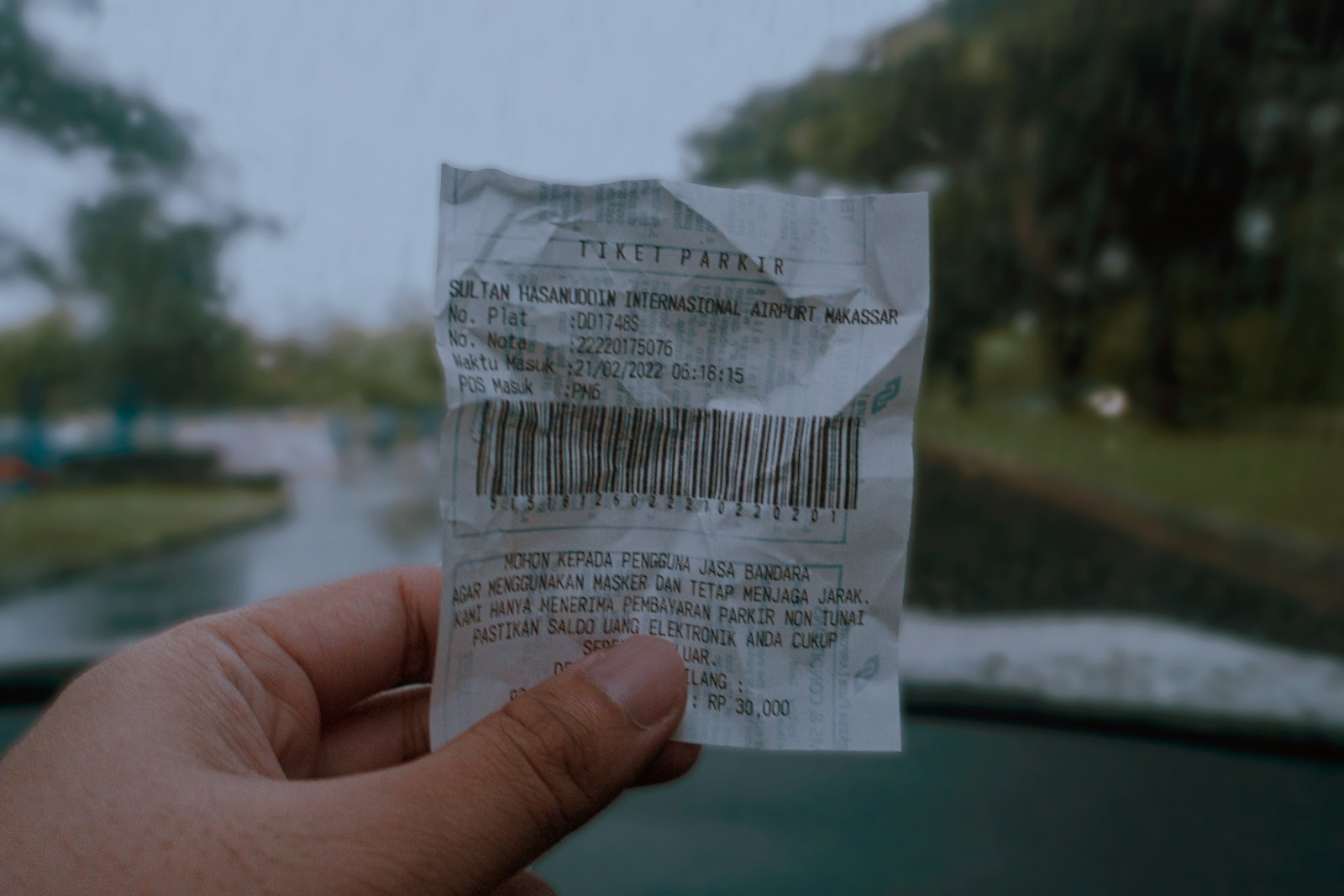
A proper receipt should show:
- The date of purchase
- The name and address of the vendor
- A description of what was purchased
- The amount paid (with tax breakdown)
- The method of payment (cash, credit, debit)
Think beyond just paper copies. Receipts can include:
- Paper slips from stores and suppliers
- Digital invoices emailed to you
- Bank and credit card statements (though these alone aren’t enough—they only prove payment, not the nature of the expense)
Do I Really Need Every Single Receipt?
Yes, and here’s why:
- Business meals and entertainment – The CRA looks closely at these, so receipts are a must.
- Mileage and fuel – Gas receipts plus a mileage log back up your vehicle claims.
- Supplies and equipment – Whether it’s printer ink or a new laptop, receipts prove you bought it for business.
- Professional fees, memberships, and training – Again, receipts show it was a real, valid expense.
Even small receipts matter. A $5 coffee receipt from a client meeting might not seem important, but over time, those little deductions add up—and during an audit, they can be questioned just like the bigger ones.
Paper vs. Digital: Good News for Your Filing Cabinet
Here’s the good news: The CRA accepts digital records if they are clear, complete, and accessible. That means you can scan, photograph, or store receipts in cloud-based systems.
Pro tip: Apps like Hubdoc, or Dext (and even the notes app on your phone in a pinch) let you snap a picture of a receipt before it fades or disappears. Many of these tools integrate directly with bookkeeping software, making your life easier and your records audit-ready.
What Happens if You Don’t Keep Them?
Here’s where the spoiler turns into a warning. If the CRA audits you and you can’t provide receipts, they can:
- Deny your deductions and increase your taxable income.
- Charge penalties and interest on unpaid taxes.
- Flag your account for closer review in future years.
I’ve seen business owners lose thousands of dollars in legitimate deductions simply because they didn’t have receipts handy. Don’t let that be you.
A Bookkeeper’s Tips for Stress-Free Receipt Management
You don’t need to drown in receipts to stay compliant. Here are some of my favourite tips:
- Go digital early – Snap or scan receipts as soon as you get them. Don’t let months go by and the piles get larger
- Organize by category – Set up folders (digital or paper) for travel, meals, supplies, etc.
- Use software – Cloud-based tools make it simple and secure.
- Back it up – Store digital receipts in more than one place (cloud + external drive).
- Stay consistent – A little upkeep each week prevents a massive mess later.
The Bottom Line
Yes, you really do need to keep receipts for six years. Think of them as an insurance policy for your deductions. They’re proof that your expenses were real, valid, and tied to your business.
But here’s the silver lining: with today’s digital tools and a little support from a professional bookkeeper, you don’t need to worry about overflowing filing cabinets or faded slips of paper. Keep it simple, stay organized, and your future self will thank you—especially if the CRA ever comes calling.
Remember, bookkeeping isn’t just about compliance, it’s about peace of mind. And six years of receipts? That’s an investment in protecting your hard-earned business dollars.